Why Open World Games Are Redefining the Future of Interactive Entertainment
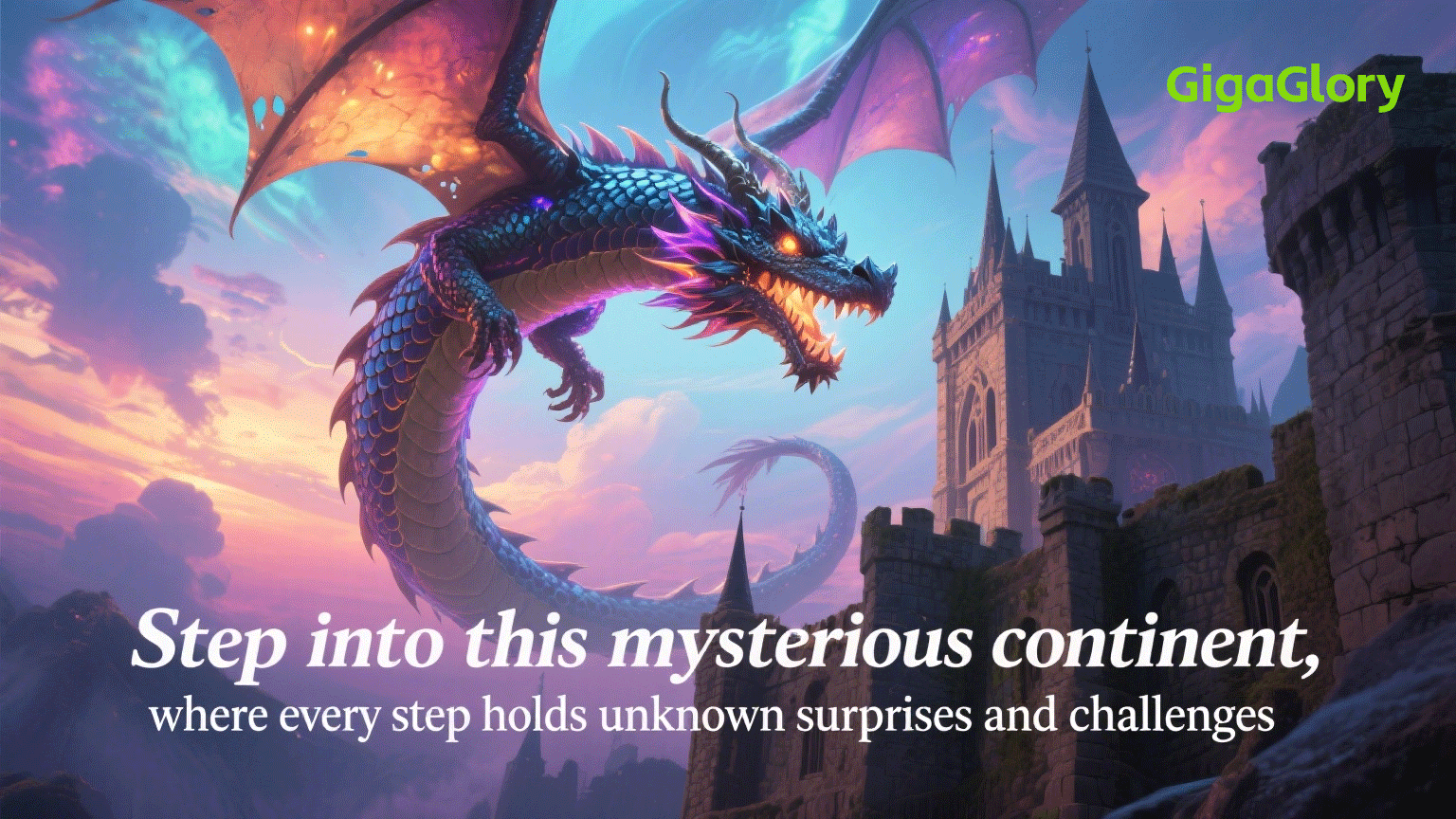
In recent years, open world games have emerged as a dominant force in the gaming industry, captivating audiences and pushing the boundaries of what interactive entertainment can offer. These expansive realms offer players an incredible degree of freedom, allowing them to embark on imaginative adventures crafted by their own hands. This article explores how open world games are not just changing the landscape of gaming but reshaping our expectations of entertainment itself.
The Allure of Open World Games
- Immersive Environments
- Player Agency
- Dynamic Stories
At their core, open world games create immersive environments that beckon players to explore every nook and cranny. The sheer scale of worlds like those in The Elder Scrolls V: Skyrim or Red Dead Redemption 2 is mind-boggling. Players are not merely participants in a pre-determined story; they are the protagonists of their own epic tales. The openness fosters a sense of agency, where choices matter and exploration rewards curiosity.
Breaking Conventional Storytelling
In an age where storytelling in games was often linear, open world titles shatter these confines. Kingdoms of Amalur, for example, offers a vast universe where players can engage in myriad quests, each with the potential to steer the narrative in unique directions. The **fire puzzle** in the game challenges players’ problem-solving skills, but it’s the choice of how to engage with such challenges that truly matters.
Crafting Personalized Experiences
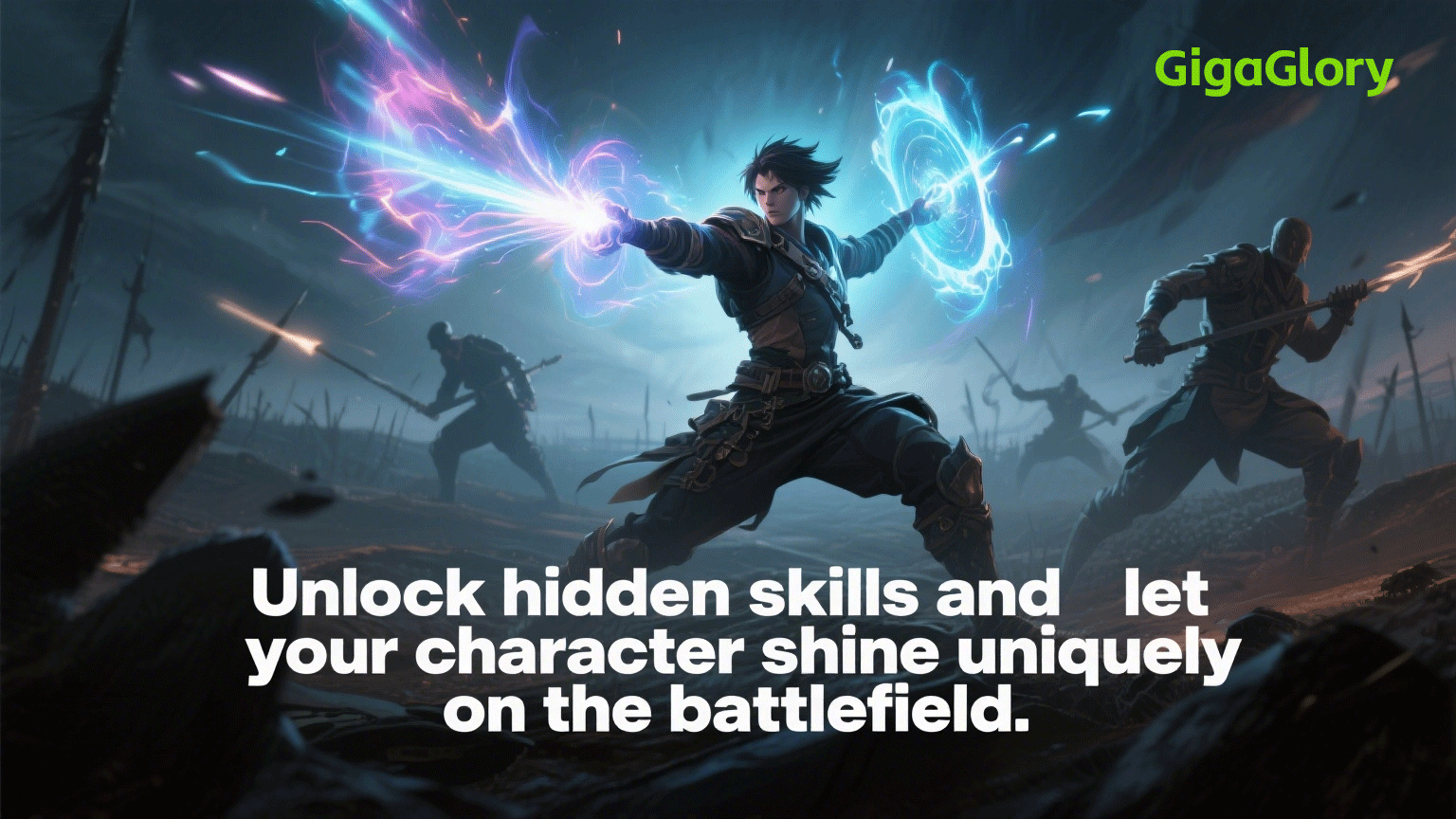
Every gamer has different preferences. Some seek combative thrills, while others savor the beauty of exploration. Open world games cater to this diversity. Players can choose to undertake a thrilling heist, uncover hidden treasures, or simply bask in a sunset over rugged landscapes. The user-generated content in some titles further enhances this, allowing players to personalize their journeys beyond the developers' vision.
A Closer Look at the RPG List of Games
| Game Title | Release Year | Platform |
|---|---|---|
| The Legend of Zelda: Breath of the Wild | 2017 | Switch |
| Skyrim | 2011 | Multiple |
| Red Dead Redemption 2 | 2018 | Multiple |
| Kingdoms of Amalur | 2012 | Multiple |
| Wasteland 3 | 2020 | Multiple |
The Economic Impact of Open World Games
Aside from punching above their weight in consumer engagement, open world games also wield significant economic power. The investment in the development of such expansive titles is no small feat, often exceeding hundreds of millions of dollars. However, the returns can be astronomical. The combination of high production values, compelling marketing, and buzz generated through community engagement makes them an economic juggernaut.
Community and Social Interaction
Perhaps one of the most underrated aspects of open world games is their role in building communities. Players can share experiences, strategies, and discoveries. Whether through forums, social media, or in-game interactions, the dialogue fosters a shared enthusiasm that often transcends the games themselves.
The Technological Shift Behind Open Worlds
To create such expansive universes requires not just creativity but a technological leap. Advancements in graphic design, artificial intelligence, and procedural generation have paved the way for rich worlds filled with nuances and surprises. Engines like Unreal Engine and Unity have equipped developers with tools to create lifelike environments where players can lose themselves for hours—if not days.
Future Trends in Open World Gaming
Looking ahead, technology will continue to transform open world games. Virtual reality (VR) is on the brink of revolutionizing how we experience these games, pulling players into the action in ways previously only imagined. Enhanced AI will lead to even more realistic NPC interactions, allowing gamers to feel more connected to the characters and the world.
The Challenges Ahead
While the future is bright, challenges remain. Open world game design must balance player freedom with meaningful content. Stretching environments too thin can lead to a lack of focus, diminishing the overall experience. Moreover, as development costs soar, producers face pressures to deliver hits consistently.
Key Takeaways
- Open world games offer unprecedented player freedom.
- They revolutionize storytelling, providing dynamic narratives.
- Community engagement boosts the longevity of these titles.
- Technological advancements are integral to open world design.
- Anticipation for future innovations remains high.
Conclusion: The Future Is Open
In conclusion, open world games are not just a trend; they are an evolution in interactive entertainment. By redefining storytelling, player engagement, and community interaction, they create a gaming culture that thrives on exploration, creativity, and personal experiences. As the technology continues to improve and new innovations emerge, we can only wonder what the future holds for this exciting genre. If you're not diving into the realms of games like **Kingdoms of Amalur** or experiencing the thrill of fire puzzles, you're missing out on a unique adventure that truly represents the future of gaming.